The Golden Age of Retro Computing
The 1980s gave us some of the most iconic computing interfaces ever designed. From the Borland Turbo Pascal IDE to Norton Commander, these text-mode interfaces proved that you don’t need a GUI to be productive.
The Machines
The IBM PC 5150 launched in 1981 and changed everything. Here’s what it looked like:
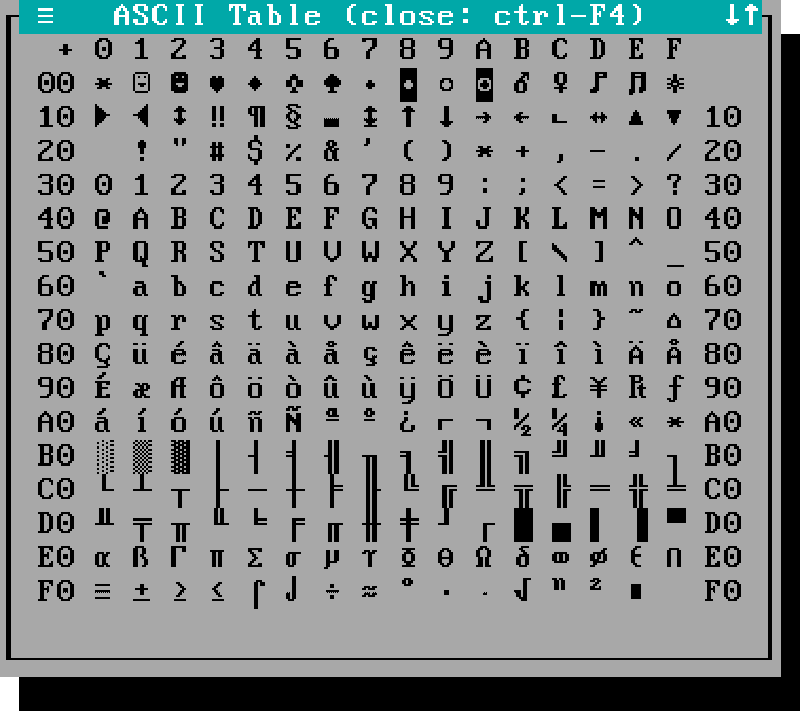
The original IBM PC came with just 16KB of RAM and a cassette port. No hard drive. The operating system fit on a single floppy disk.
The Software
DOS applications had a distinctive look - text-mode interfaces with box-drawing characters, function key bars at the bottom, and pull-down menus.
Some legendary DOS software:
| Software | Year | Purpose |
|---|---|---|
| WordStar | 1978 | Word processor |
| Lotus 1-2-3 | 1983 | Spreadsheet |
| dBASE III | 1984 | Database |
| Turbo Pascal | 1983 | IDE + Compiler |
| Norton Commander | 1986 | File manager |
The Sound
The PC speaker was all we had. No Sound Blaster yet. Just a single square wave channel. But composers made magic with it.
The limitation of a single voice forced programmers to be creative. Some of the most memorable game music was composed for the PC speaker.
External Resources
If you’re interested in retro computing, check out these resources:
- Archive.org MS-DOS Collection - thousands of playable DOS games
- int10h.org - the pixel fonts used in this theme come from here
- PCjs Machines - run vintage PCs in your browser
- DOS Haven - curated collection of DOS games
A Video From the Era
Here’s a look at the original IBM PC in action:
The best interface is the one that gets out of your way.